

About the Loeys-Dietz Syndrome Foundation Canada
A Shared Dream
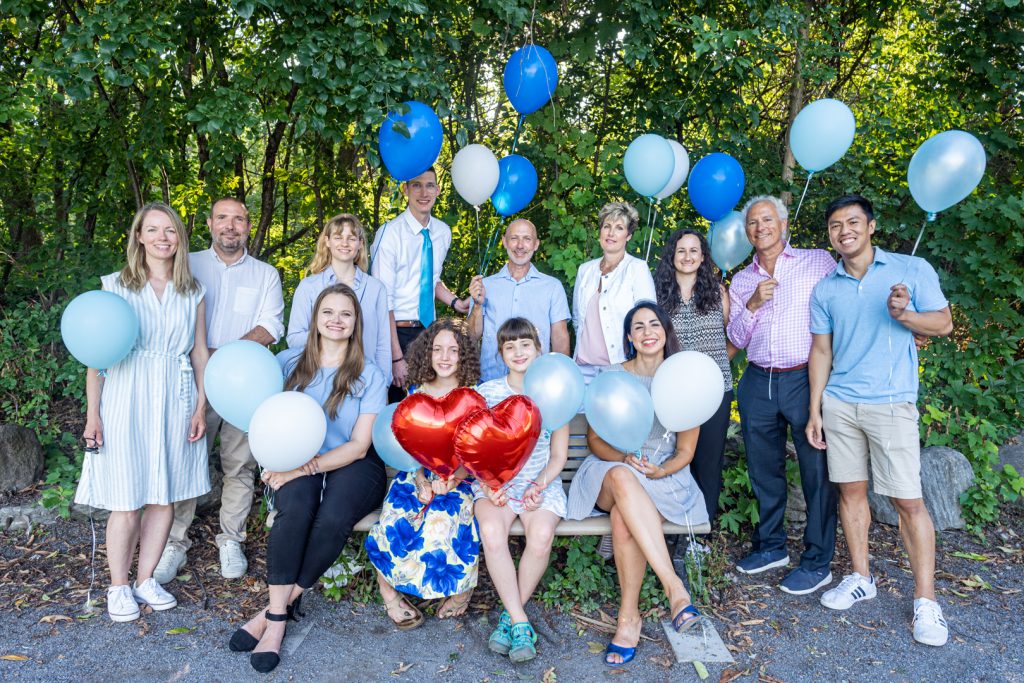
In October 2010, three Canadian families affected by Loeys-Dietz syndrome (LDS) sat around a dining room table with a shared dream – of a Canadian Foundation able to encourage education, foster research, and provide support to LDS patients and families. Less than a year later, in June 2011, their dream became a reality when LDSFC obtained its charitable status from the Canada Revenue Agency.
Today, over a decade later, we are proud to have made incredible progress towards our initial goals, as well as to have met and learned from exceptional people in the LDS community.
About Us
The Loeys-Dietz Syndrome Foundation Canada (LDSFC) is a national charitable organization dedicated to the promotion of research, awareness, education, and support for those affected by Loeys-Dietz syndrome (LDS) and related heritable aortic disorders.
If you are affected by Loeys-Dietz syndrome, you can contact us at 1 888 LDS-FCAN.

Our Impact
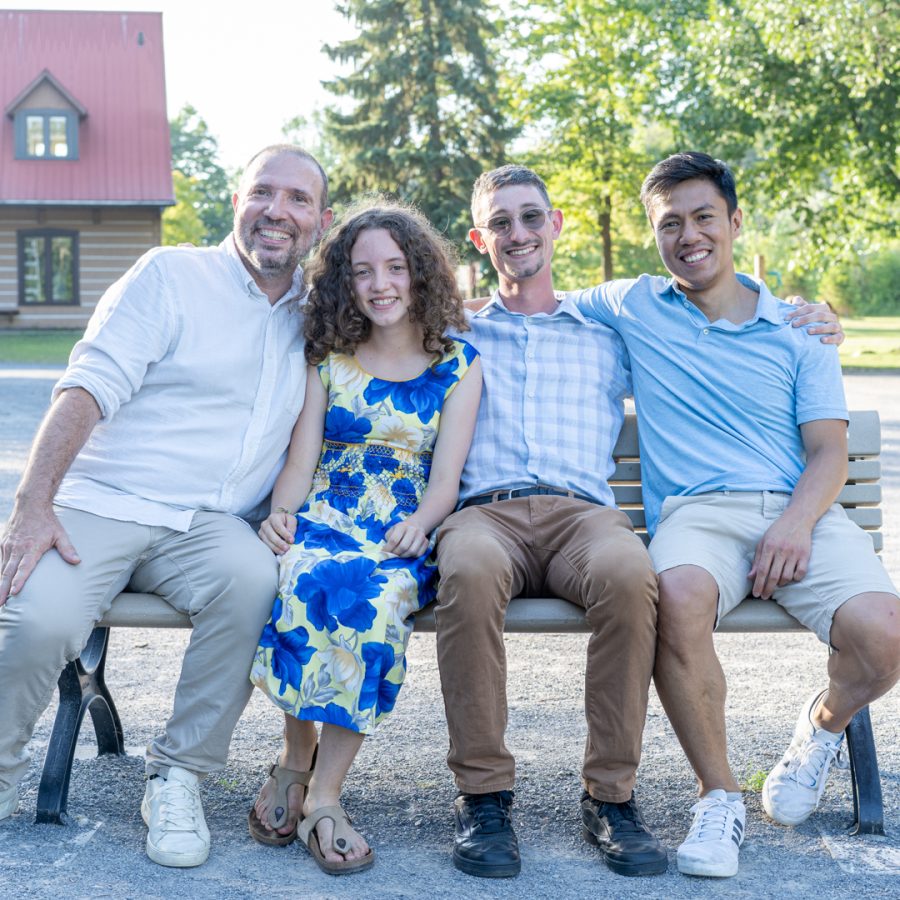
Thanks to the significant generosity of our donors and expertise of our Medical and Scientific Advisory Board and Patient Partnership Committee, the Foundation fosters its mission forward by strengthening and empowering the LDS community through the development of a support network for all those affected, by expanding the range of cutting-edge LDS research, and by investing in innovation.
Together, we will transform the future of Loeys-Dietz syndrome and related heritable aortic disorders to save and improve the lives of patients and their families.
Our Research
The Loeys-Dietz Syndrome Foundation Canada supports and funds innovative research initiatives related to Loeys-Dietz syndrome (LDS) and similar conditions.
The Foundation supports researchers through a research database, a new Canadian registry, and research funding in Canada and internationally.
Interested in Research Funding?
Researchers interested in funding opportunities through LDSF Canada are encouraged to review our Grant Guidelines which outline funding conditions, eligible expenses, reporting requirements, and grant recipient responsibilities.
If your research aligns with our mission and you would like to be considered for funding, please complete the Research Funding Inquiry Form. Our team will review your submission and contact you regarding potential next steps.
We are proud to be founding members of the CANadian Aortopathy and Connective Tissue (CAN-ACT) Registry. Our partners include the Canadian Congenital & Pediatric Cardiodology Research Network, McGill University Health Centre, Dr. Frédéric Dallaire, Dr. Tiscar Cavallé-Garrido, and Dr. Tim Bradley.
This is the first Canadian registry for people with hereditary aortopathies and connective tissue disorders like Loeys-Dietz syndrome. The registry will be a secure, centralized collection of patient health data, including information on an individual’s genetics, cardiovascular and other symptoms, imaging, and medication.
Centralized patient information can help investigators identify research themes, foster collaborative research, and improve patient quality of life and longevity.
To learn more about this research projecy, visit our Research Projects page.
Led by Dr. Daniel Graf at the University of British Columbia, the CARE Network brings together dental specialists, geneticists, researchers, and patient partners to improve oral healthcare for people living with rare diseases. Supported by LDSF Canada, the initiative aims to identify gaps in clinical practice and education, promote earlier recognition of oral and craniofacial features, and improve access to coordinated care.
To learn more about this research projecy, visit our Research Projects page.
Led by Dr. Benedikt Hallgrímsson at the University of Calgary, this project explores whether subtle facial features can help predict the severity of heritable thoracic aortic diseases (HTADs). Using 3D facial imaging, genetic analyses, and animal models, researchers aim to identify biomarkers that could support earlier diagnosis, improved risk assessment, and personalized care.
To learn more about this research projecy, visit our Research Projects page.
Led by Dr. Gabrielle Horne at the Maritime Connective Tissue Clinic, this study explores the barriers and facilitators that influence family screening for genetic aortopathies. Through patient interviews, researchers aim to identify strategies to help individuals encourage at-risk relatives to undergo screening, supporting earlier diagnosis and prevention of life-threatening aortic complications.
To learn more about this research projecy, visit our Research Projects page.
Led by Dr. Julie Richer at the CHEO Research Institute, this study explores how symptoms such as pain, fatigue, sleep disturbances, anxiety, and exercise challenges affect adults living with Loeys-Dietz syndrome. Through short online surveys, researchers aim to better understand these interconnected experiences and inform future clinical care, patient education, and supportive interventions.
To learn more about this research projecy, visit our Research Projects page.
Supported by LDSF Canada, this study led by Sally Al-Mufty explores the diagnostic experiences of individuals living with Loeys-Dietz syndrome. Published in CJC Open, the research highlights challenges such as diagnostic delays, barriers to specialized care, and emotional impacts, providing patient-informed insights to improve diagnostic pathways and healthcare services.
To learn more about this research projecy, visit our Research Projects page.
Developed by LDSF Canada, the Global Research and Insights Platform (GRIP) is a centralized database of scientific literature on Loeys-Dietz syndrome. With over 1,700 publications collected as of December 2025, GRIP supports researchers, clinicians, and patients by improving access to evidence, identifying research gaps, and advancing knowledge translation. The platform is expanding to include other heritable thoracic aortic diseases.
To learn more about this research projecy, visit our Research Projects page.
Led by Catherine Côté under the supervision of Dr. Gabrielle Pagé at the Université de Montréal, this patient-oriented research program explores the lived experiences and healthcare needs of people with hereditary connective tissue disorders. Through clinical guideline reviews and patient interviews, the project aims to identify gaps in care and develop practical resources to support healthcare navigation, self-management, and improved services.
To learn more about this research projecy, visit our Research Projects page.
Our Education and Awareness
Education and awareness are key to helping people receive an early and accurate diagnosis, access proper medical care, and live longer and better-quality lives.
Our Find Help page provides a range of resources to support individuals and families affected by Loeys-Dietz syndrome and related conditions.
Medical Clinic Directory: Helps patients and families locate specialized medical clinics and healthcare providers across Canada, including cardiology, genetics, and aortic care services.
Supportive Care Clinic Directory: Connects patients with supportive care services across Canada, including physiotherapy, pain management, rehabilitation, and other allied health services.
Whether you are newly diagnosed, supporting a family member, preparing for surgery, or looking for practical information about everyday life with Loeys-Dietz syndrome (LDS), our educational resources are here to help.
Explore information about LDS, cardiovascular care, emergency preparedness, surgery, pain and physical health, family planning, school, work, and more. Resources are organized by topic to help you quickly find the information that is most relevant to you.
These resources are intended for educational purposes and do not replace advice from your healthcare team. Visit our Educational Resources page.
Additional Support Resources: Our Find Help page also provides psychological and social support resources, financial and legal resources, genetic testing information, and links to other patient advocacy organizations to help individuals and families access additional support and guidance.
The Foundation is proud to sponsor and support a variety of events in the Loeys-Dietz syndrome (LDS) community. With your help, our events provide education and support, and raise awareness for LDS.
LDSFC is proud to be a partner and sponsor of the yearly Heritable Aortic Disorders (HAD) Symposium. The Symposium is a unique opportunity for patients, families, friends, and medical professionals to meet, connect, and learn about advances in the genetics, diagnosis, and management of heritable aortic disorders like Loeys-Dietz syndrome. The Symposium rotates between major Canadian cities with 2018 in Toronto, 2019 in Montreal, 2023 in Halifax, and 2026 in Vancouver.
For more information, visit our Events page.
We believe that our efforts and impact are amplified when we partner with others. The Foundation is proud to raise awareness and promote education for LDS and related conditions alongside LDS community members, patient advocacy organizations, industry partners, and leading medical and academic institutions, both in Canada and around the world.
Our Support
LDSFC is honoured to support and advocate for the communities living and working with Loeys-Dietz syndrome.
Our support for patients, families, and friends aims to help people with Loeys-Dietz syndrome live longer and better-quality lives.
We recognize that each person with LDS faces unique challenges at various stages of their diagnosis and life trajectory. Therefore, we provide individualized, emotional, and practical peer support, as well as access to our Resource Directory, a growing library of hundreds of medical, psychological, educational, financial, and other resources.
LDS Helpline: Our helpline (1-888-LDS-FCAN) offers confidential peer support, answers to questions, and access to resources for individuals and families affected by Loeys-Dietz syndrome. Support is provided by Lindsay, a trained peer supporter with personal and family experience navigating diagnosis, treatment, and caregiving.
Our support for medical professionals seeks to answer needs at the clinic and provider level.
We have helped Canadian clinics to expand their reach, patient services, and fundraising efforts, and have developed an innovative, multidisciplinary clinic model for treating and managing Loeys-Dietz syndrome. The clinic model is in practice at leading medical institutions, including St. Michael’s Hospital, the Montreal Heart Institute, and the McGill University Health Centre.
We have also identified, recruited, and supplied information to healthcare providers who take an active interest in LDS patients.
Resources for Clinicians and Medical Professionals: Our Resources for Clinicians and Medical Professionals page provides healthcare professionals with educational and clinical resources on Loeys-Dietz syndrome and related conditions, including clinical guidelines, management recommendations, genetic resources, cardiovascular risk calculators, and patient education materials to support multidisciplinary care.
Resources for Your Patients: Our Find Help page offers a wide range of educational materials, practical tools, and support resources that healthcare professionals can share with their patients and families to help them better understand their condition, navigate care, and access available support.
Our Funding Model
LDSFC builds lasting support for research, education, patient services and better clinical care for people living with Loeys-Dietz syndrome and related conditions.
Our funding approach brings philanthropic support from beyond the patient community, allowing us to advance our mission without repeatedly asking patients and families already navigating a rare disease to fundraise for us.
Turning Existing Policies into Lasting Impact
Our life insurance giving program allows donors to transform policies they no longer need into charitable gifts. Thanks to approximately 150 donors, our portfolio represents over $100 million in potential future proceeds, expected over many years. After associated costs and obligations, these funds support research, patient programs, and our charitable mission.
The program operates through licensed Canadian insurance advisors, with donors making their own decisions. Each gift undergoes compliance reviews and independent valuation in accordance with Canada Revenue Agency requirements. We do not market this program to patients or families or share patient information for insurance-related purposes.
PENTOR Charity Services (PCS), a related-party service provider, administers the program, while LDSF Canada retains final authority over gift acceptance, charitable receipting, and the use of funds. Program costs are supported in part through interest-bearing loans from PCS Fund 1, LP, secured by donated policies and repaid from insurance proceeds.
For more information about the program, its safeguards, and its impact, please visit “Life Insurance-Based Gifts” on our Donations Options page and Frequently Asked Questions Document.